Practice
I begin with looking.
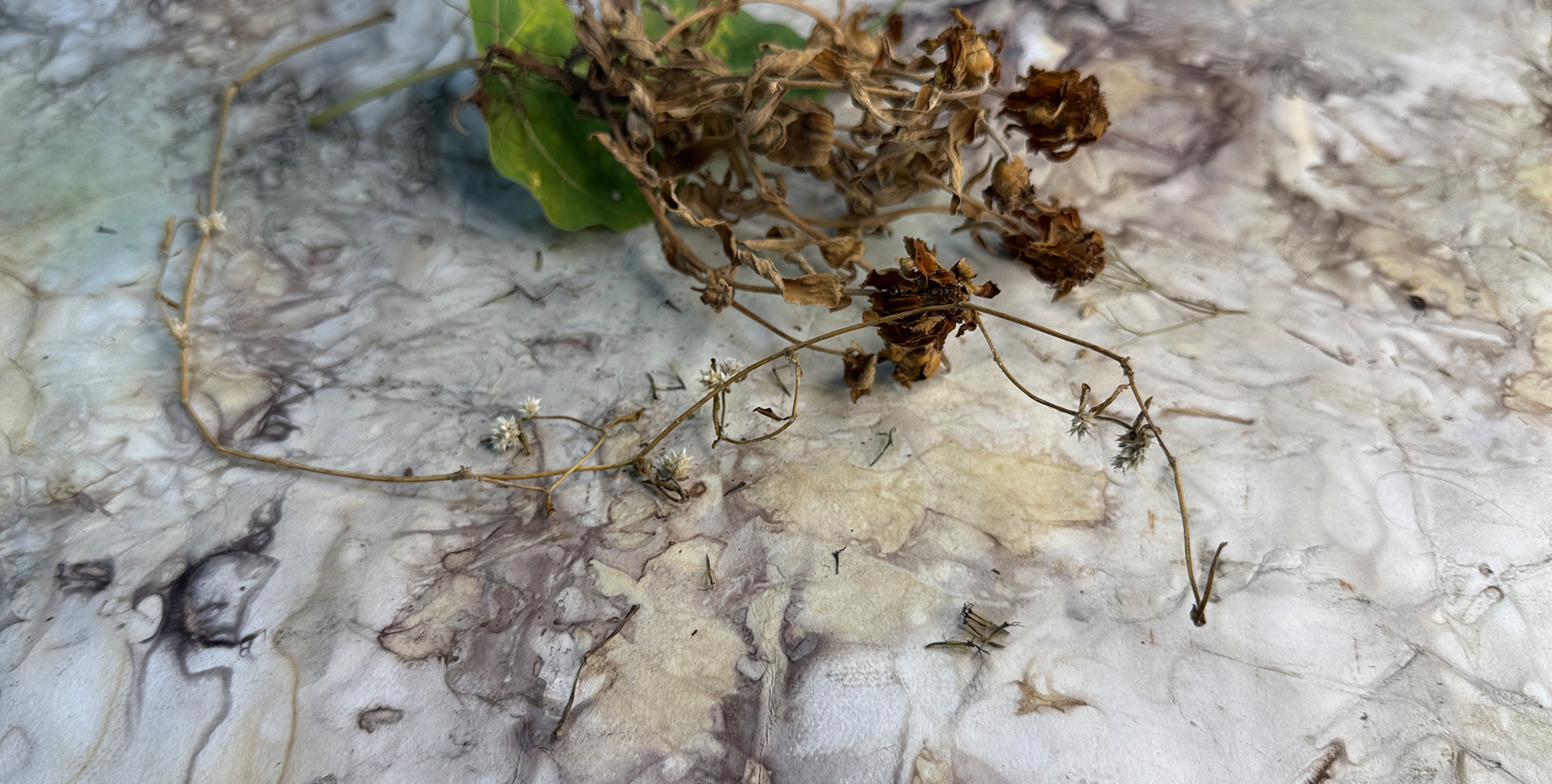
For me, painting begins before the first mark. It begins with noticing — the quality of light, the way a surface changes, something found in a garden, a fragment of a figure, a trace left behind. I am interested in what happens when looking becomes a form of remembering.
Artist Statement
Absence is the highest form of presence.
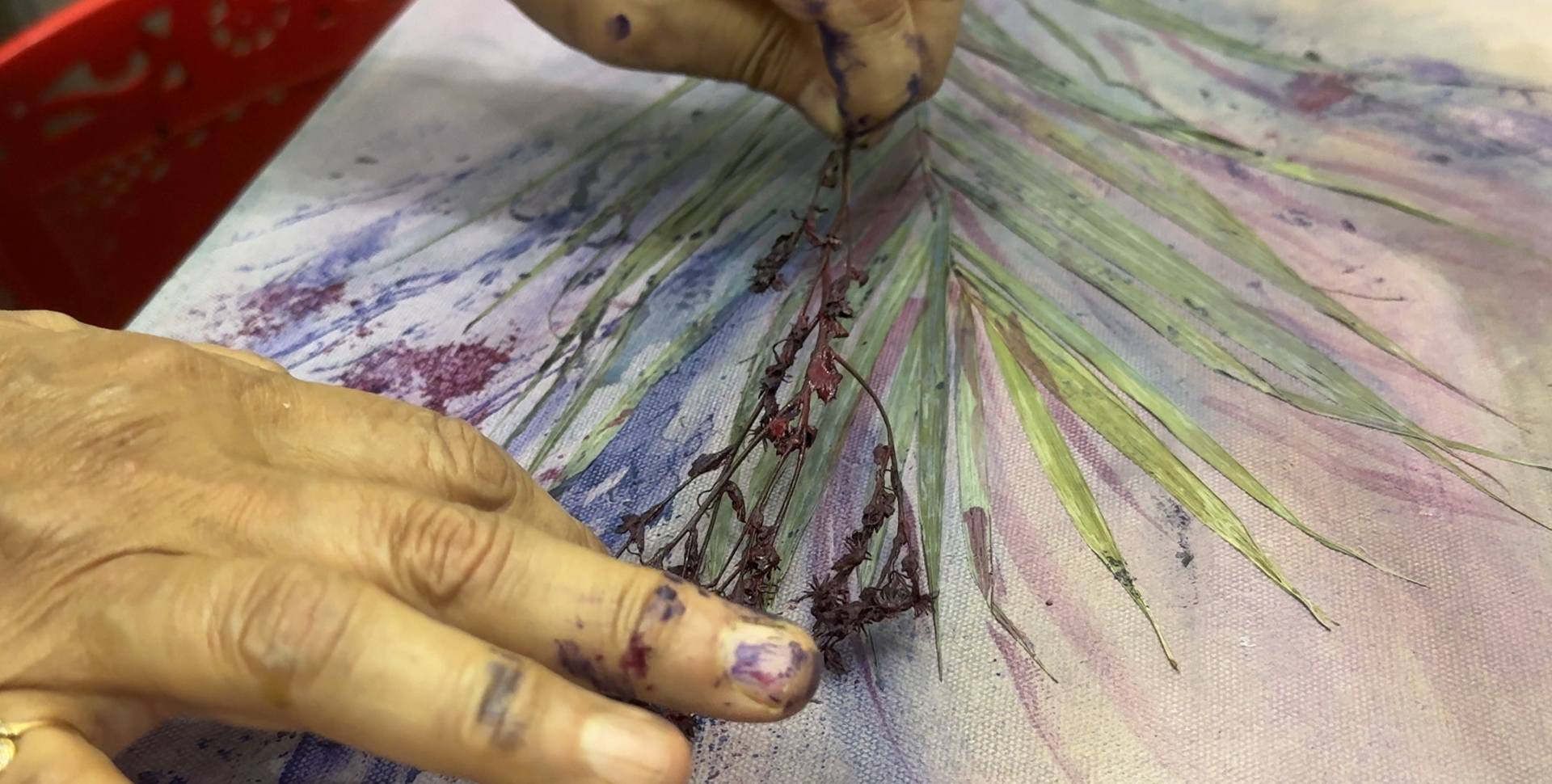
My work begins with looking — with paying attention to what remains, what changes, and what quietly disappears. I am drawn to the traces that experience leaves behind: a fragment of a figure, the impression of a plant, a worn surface, a mark that remains after something has been removed. These traces become a way of thinking about memory — not as a fixed record of the past, but as something that is continually shifting between presence and absence.
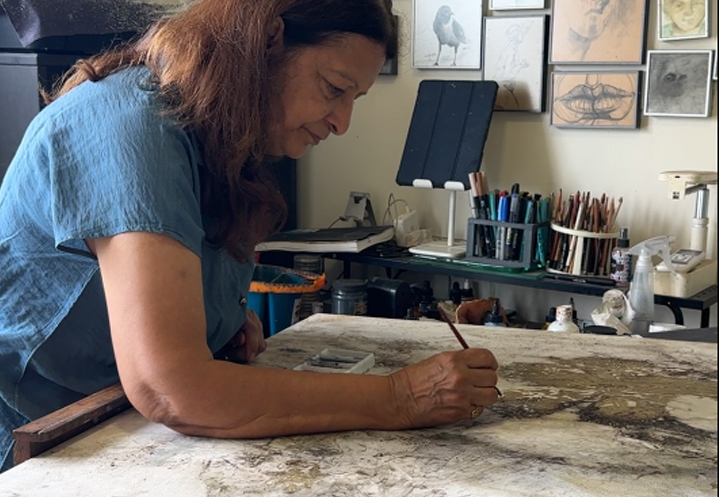
I work through painting, drawing and mixed media, building surfaces slowly through layers of colour, botanical impressions, drawing, erasure and material intervention. I allow the materials to participate in the making, often letting a mark, stain or impression lead the work somewhere I had not anticipated.
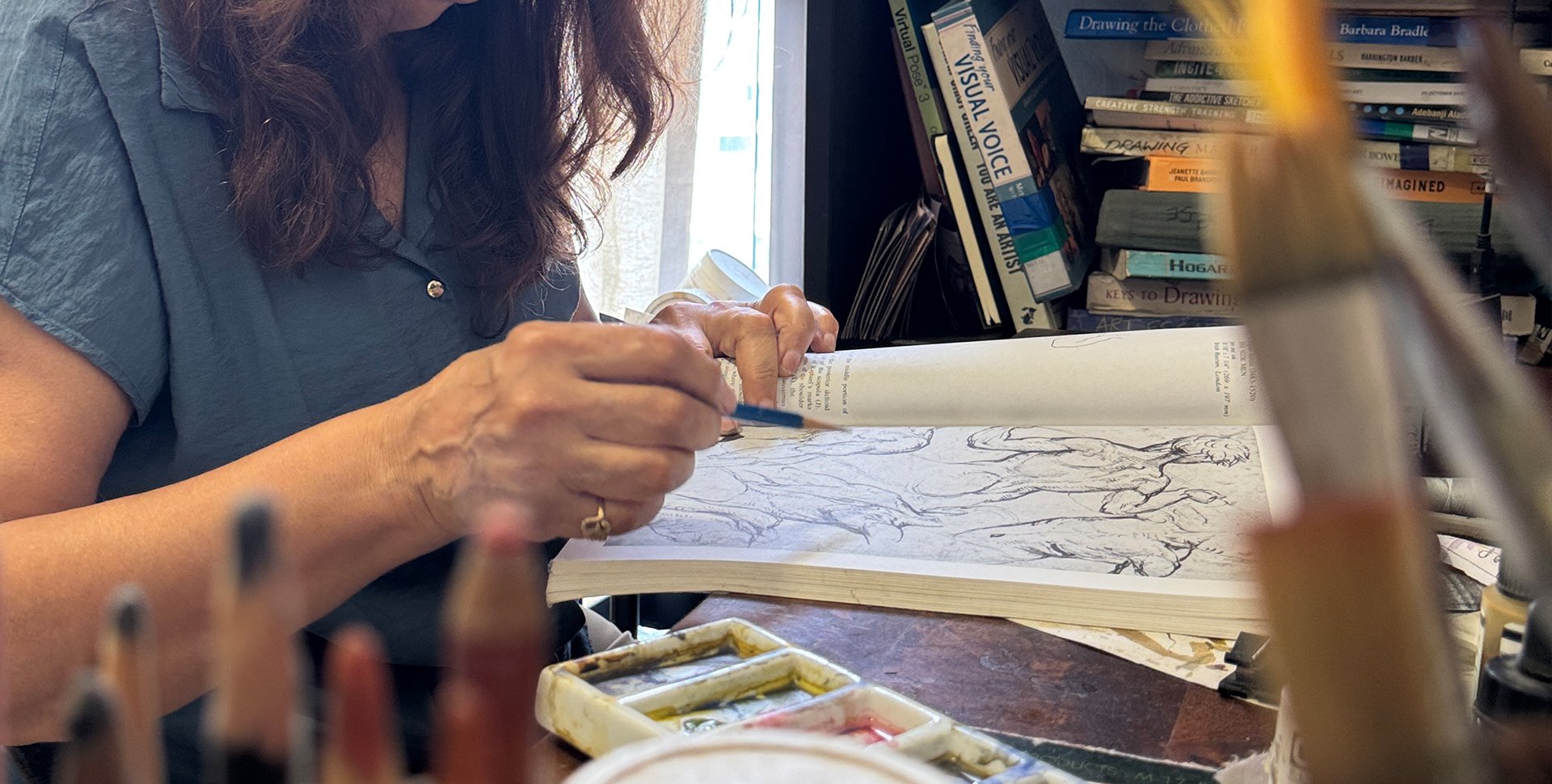
The image is rarely predetermined. It emerges through a process of accumulation and removal, revelation and concealment. What is visible is only part of the story; what has been covered, erased or left unresolved is equally important. I am interested in this space between recognition and abstraction, where something can feel familiar without being entirely identifiable.
For me, painting is a way of holding on without trying to preserve. It is a way of allowing memory, presence and loss to exist together, in the quiet space between what remains and what has gone.
Material and Process
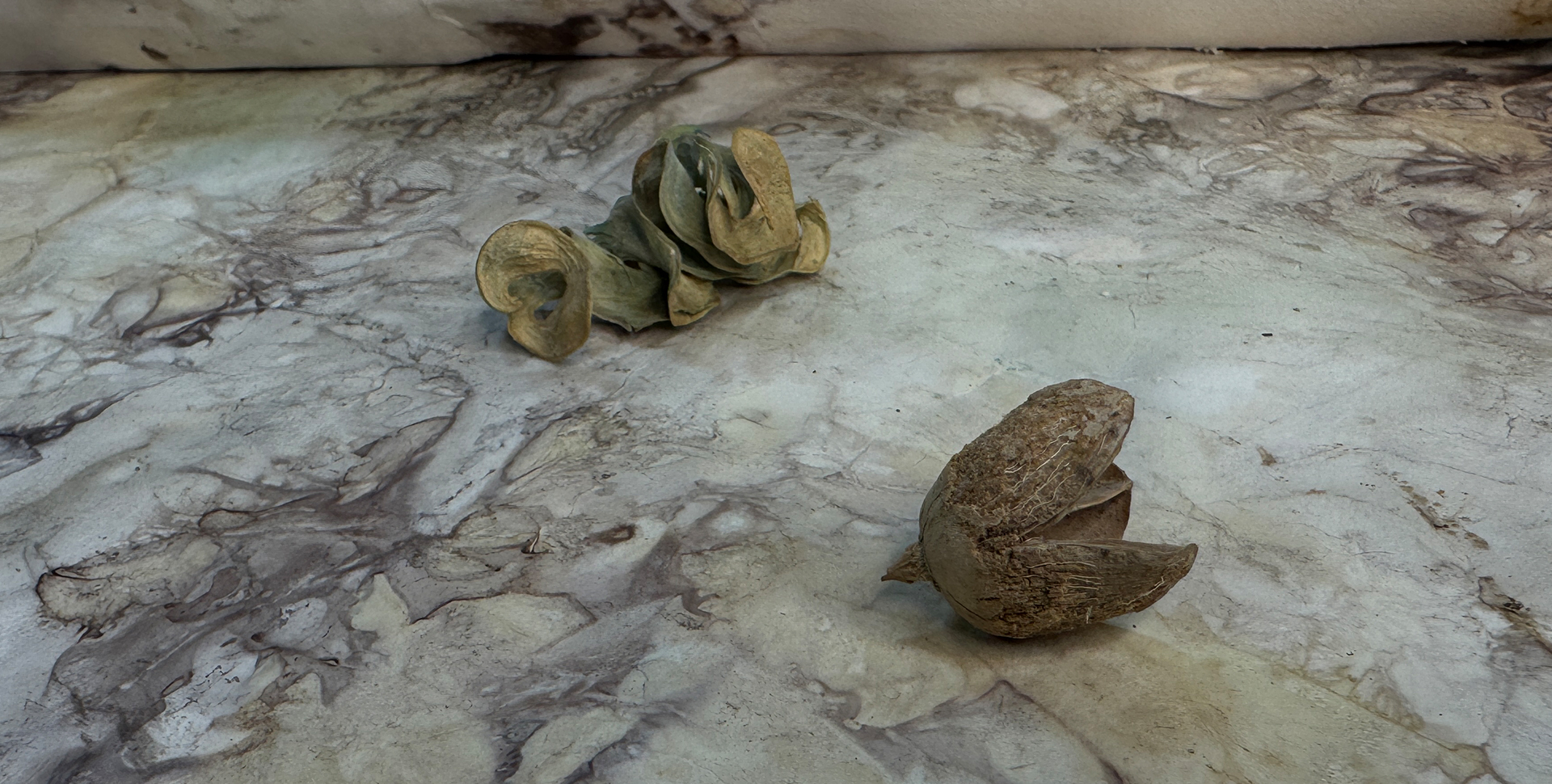
Materials carry their own histories.
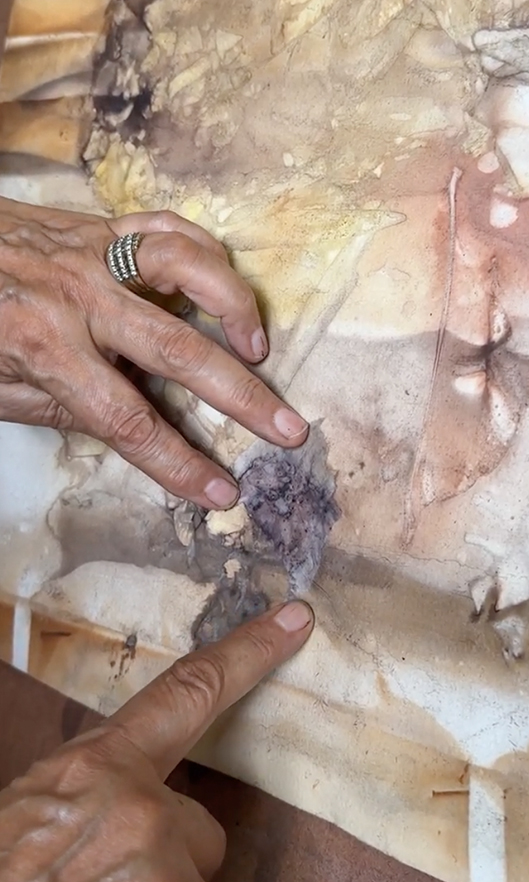
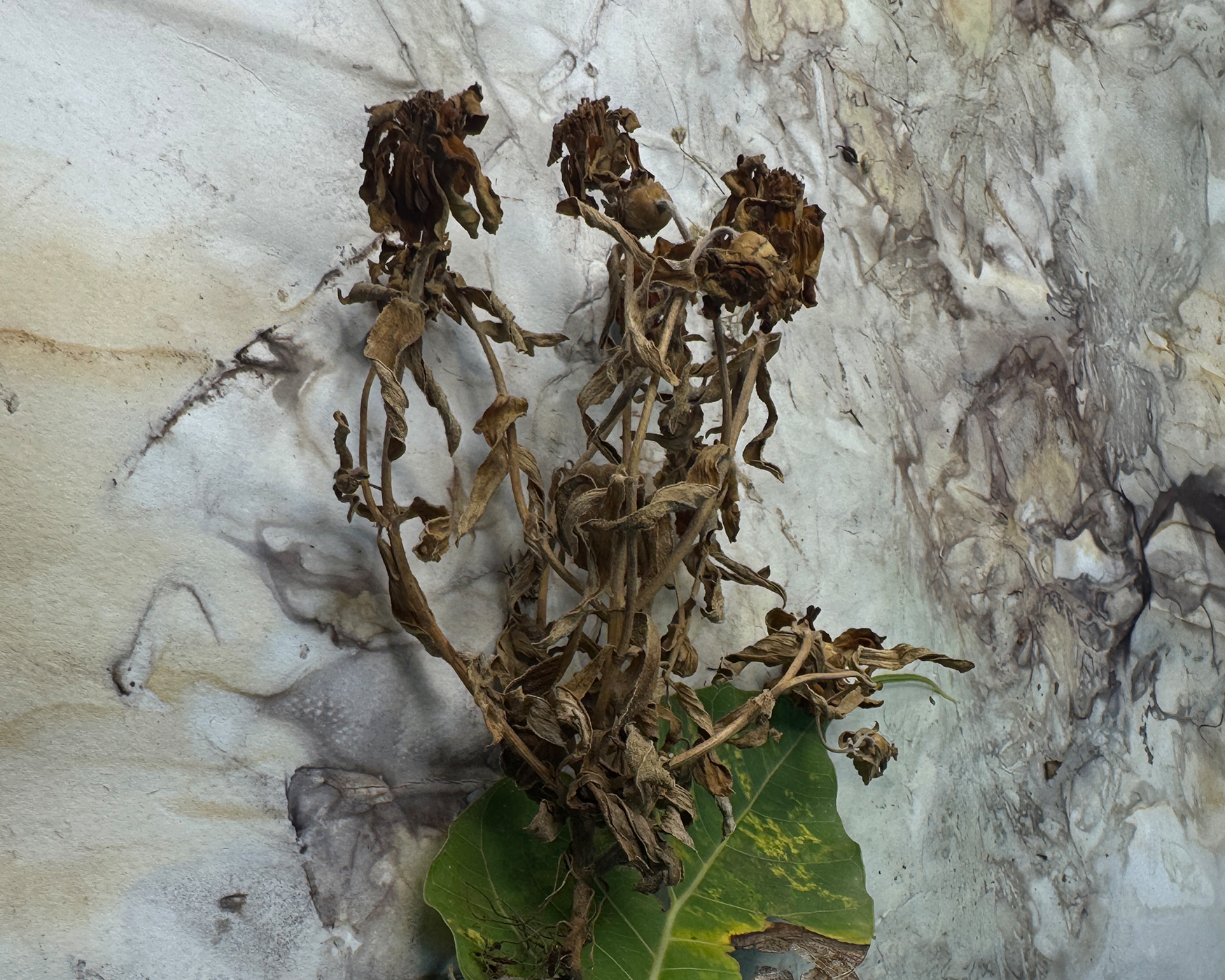
Materials are not simply tools for making an image. I work with paint alongside botanical matter, impressions, drawing, stitching, paper and other found or gathered elements. Their marks become part of the language of the work.
The process is intuitive but attentive. I allow materials to alter the direction of a painting rather than always controlling the outcome. A painting is never quite finished when everything has been resolved — sometimes it is finished when something remains unresolved, when the surface still asks to be looked at.
See how the practice takes form
View the Work →